SIMKLINIK: Clinic Management System
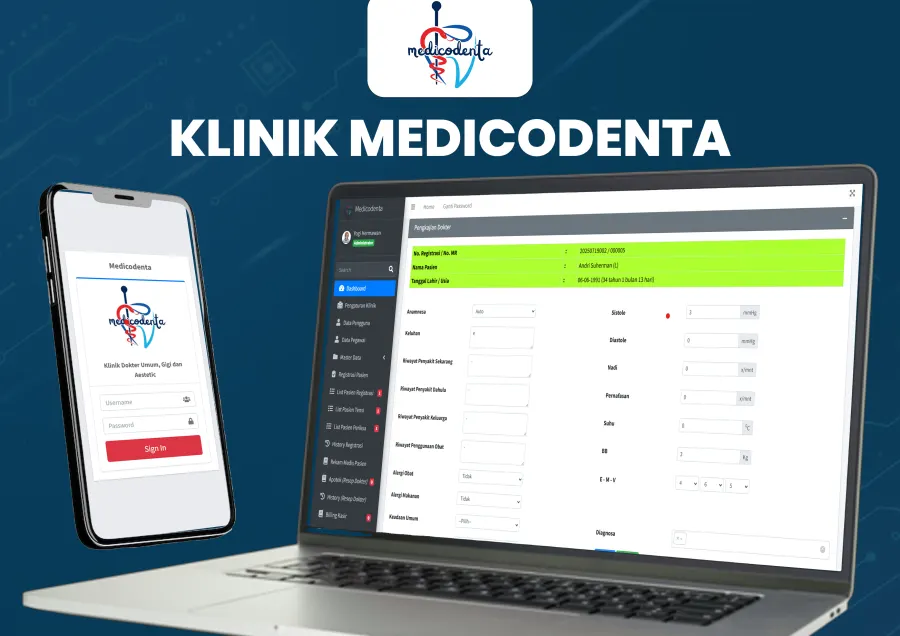
An integrated clinic management system: online registration and queues, electronic medical records, pharmacy stock, billing and financial reports.
Enterprise Software Engineering
Enterprise software development is the design and build of custom systems for company processes with many users, multi-level approvals, unique business rules and integration with other systems. MBT builds these systems from process mapping, not from templates.
Enterprise Software Development, Custom Software Development
Business problems
Data is scattered, versions differ and work status cannot be followed without asking around.
Multi-level approvals by email or paper hold processes up and are hard to audit.
Generic applications force teams to change how they work or add manual steps outside the system.
What we build
Every system follows your workflows, user roles and company policies.
Web applications built for your process, with role-based access and an interface your team can use with ease.
Purchasing, inventory, sales, finance and accounting modules connected in one database.
Employee data, attendance, leave, overtime and payroll with configurable company rules.
Purchase requests, vendor comparison, approval and purchase orders that are recorded and auditable.
Multi-level approval flows with notifications, delegation, deadlines and an audit trail.
Operational dashboards and reports that read directly from the system, not from manual recaps.
Internal request and incident management with categories, SLAs, escalation and handling history.
Systems that run daily operations such as production, warehouse, fleet or customer service.
Other business applications such as CRM, cooperatives, point of sale, clinics and document management.
Example applications
Off-the-shelf software forces your team to change how they work or add manual steps.
The new system needs to exchange data with an ERP, legacy applications or government systems.
The company needs a record of who did what, when and with whose approval.
Architecture & approach
We separate business rules, data and interface so the system stays easy to extend when processes change.
Workflows, roles, approvals and data are mapped with process owners before design starts.
Database structure, access rights and module boundaries are designed so new modules do not break existing ones.
The module with the highest business value ships first, then the system grows milestone by milestone.
Functions and integrations are tested through System Integration Testing, then validated by users through User Acceptance Testing.
Technology & integration
The stack is chosen by your requirements, infrastructure and internal team skills.
Deployment
The system can run on infrastructure that matches your IT and data policies.
| Option | Description | Best for |
|---|---|---|
| Cloud / VPS | Servers run at a cloud provider with backups and monitoring. |
|
| On-premise | The application is installed on company-owned servers and runs on the internal network. |
|
| Hybrid | Some modules run in the cloud while sensitive data or integrations stay on internal servers. |
|
Proof of work
An integrated clinic management system: online registration and queues, electronic medical records, pharmacy stock, billing and financial reports.
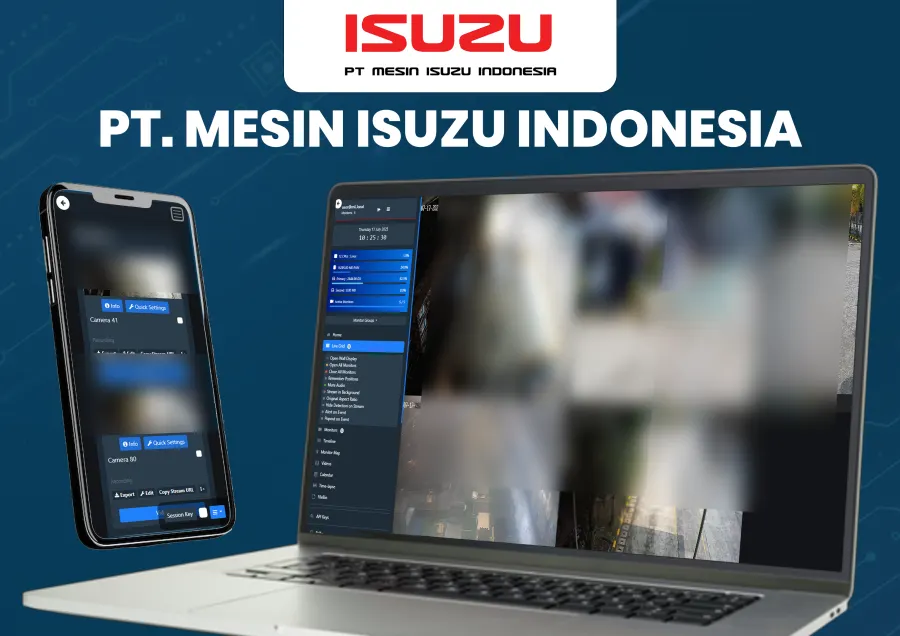
A web-based Smart CCTV platform supporting KITE facility supervision obligations, with real-time access, multiple cameras and motion detection.
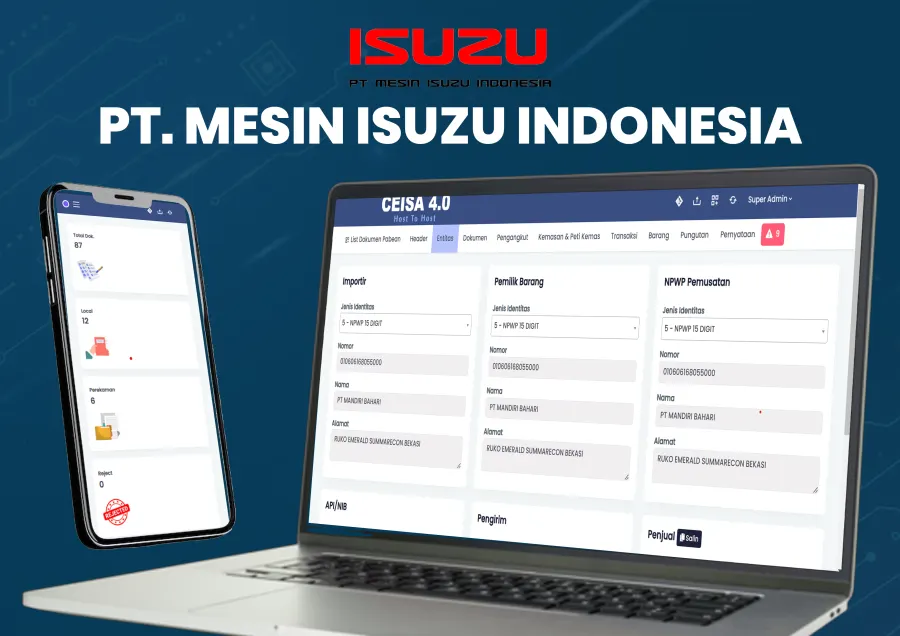
CEISA 4.0 Host-to-Host integration for BC 2.0 and BC 3.0 documents: creation, Excel import, submission to CEISA and INSW, and SPI quota control.
Specializations
FAQ
Tell us about your context and goals. We will help map the solution, priorities and an initial estimate.