
Skip to content

Legacy System Integration

Legacy system integration without stopping operations

Legacy system integration connects older applications, which often have no API or documentation, with new systems. The approach can be an API layer on top of the database, scheduled file exchange or middleware, so the legacy system keeps running while it is modernized in stages.

Legacy Modernization

  • Integration without a built-in API
  • The legacy system keeps running
  • Staged modernization
  1. 01Legacy application
  2. 02Database / files
  3. 03API layer
  4. 04Integration layer
  5. 05New systems

Business problems

Business problems we solve

Legacy systems without APIs

Data can only be taken from application screens or manual exports.

Full replacement is too risky

Replacing a core system at once threatens daily operations.

Limited system knowledge

The original developers are gone and documentation is minimal.

What we build

What we build

  • 01

    API layer on top of the database

    Expose legacy data through a secure, limited API.

  • 02

    Scheduled file exchange

    Scheduled data export and import with validation and logs.

  • 03

    Middleware

    Translate legacy formats and protocols into modern ones.

  • 04

    Strangler migration

    Functions move to the new system in stages until the legacy system can be retired.

Example applications

Example applications

  • Legacy desktop app to web portal

    Legacy data is shown in a web portal without replacing the application.

  • Legacy system to mobile app

    A mobile app uses an API built on top of the legacy database.

  • AI on top of legacy systems

    Legacy data becomes a source for AI applications through an integration layer.

Architecture & approach

Architecture & approach

  1. 01

    Assessment

    Study the database, data flows and dependencies of the legacy system.

  2. 02

    Choose the integration pattern

    API layer, file exchange or middleware depending on conditions.

  3. 03

    Build & run in parallel

    Integration is tested side by side without disrupting operations.

  4. 04

    Staged modernization

    High-value functions move first.

Technology & integration

Technology & integration

  • Database integration
  • REST API
  • Scheduled file exchange
  • Queues & background jobs
  • Laravel (PHP)
  • .NET (C#)
  • Java

Deployment

Deployment models

Option Description Best for
On-premise The integration layer runs on the same server or network as the legacy system.
  • Legacy systems without internet access
Hybrid A local agent forwards legacy data to cloud services.
  • Cloud-based new systems

Proof of work

Related case studies

View all Case Studies System Integration

PT. MESIN ISUZU INDONESIA

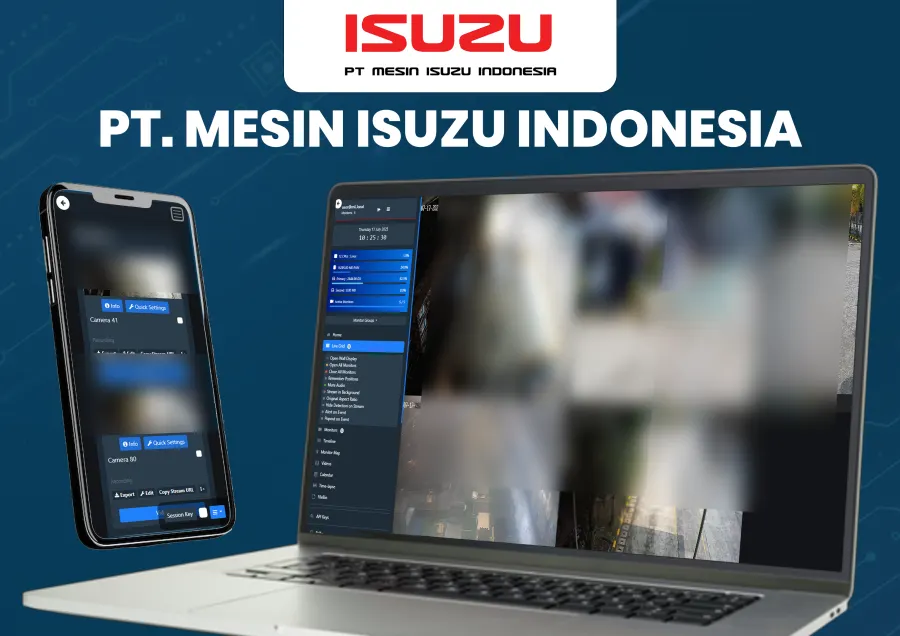
Smart Online CCTV

A web-based Smart CCTV platform supporting KITE facility supervision obligations, with real-time access, multiple cameras and motion detection.

Manufacturing Customs & Trade Enterprise Software Engineering System Integration
PT. MESIN ISUZU INDONESIA

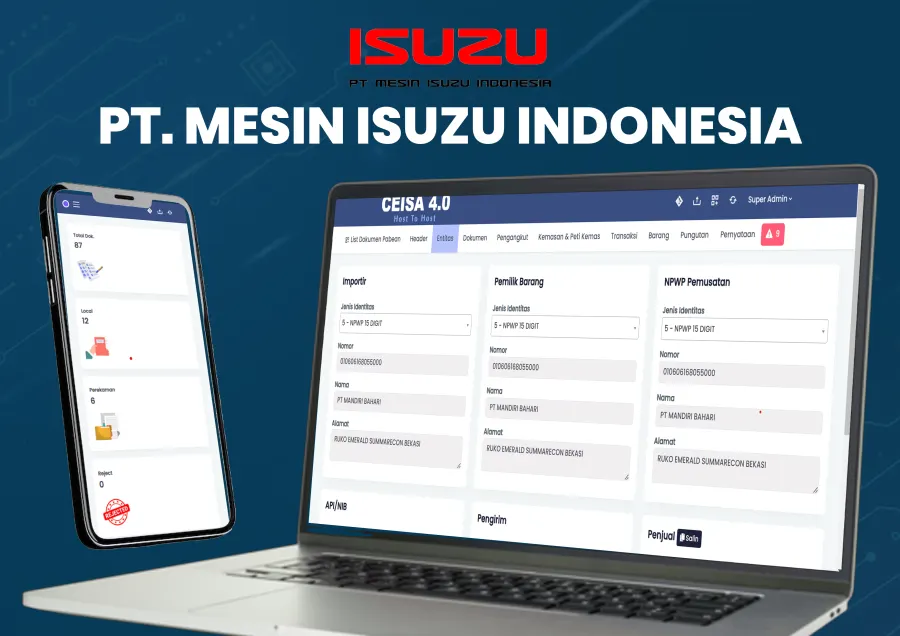
CEISA 4.0 Host-to-Host Integration

CEISA 4.0 Host-to-Host integration for BC 2.0 and BC 3.0 documents: creation, Excel import, submission to CEISA and INSW, and SPI quota control.

Manufacturing Customs & Trade Enterprise Software Engineering System Integration
PT. SGMW MOTOR INDONESIA

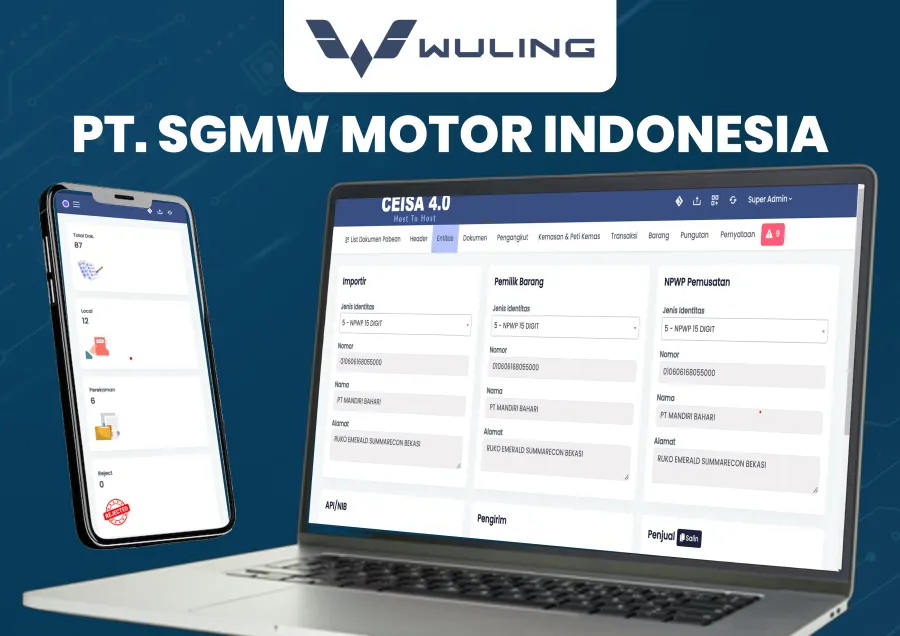
CEISA 4.0 Host-to-Host Integration

CEISA 4.0 Host-to-Host integration for BC 2.0 and BC 3.0 documents: creation, Excel import, submission to CEISA and INSW, and SPI quota control.

Manufacturing Customs & Trade Enterprise Software Engineering System Integration

FAQ

Frequently asked questions

Can AI be integrated with legacy systems?
Yes. We build an integration layer so legacy data can be read by AI applications without changing the legacy system directly.
Does the legacy system have to be replaced?
Not necessarily. In many cases integration is enough. When modernization is needed, we do it in stages so operations are not disrupted.

Ready to discuss your requirements?

Tell us about your context and goals. We will help map the solution, priorities and an initial estimate.